Wood-Destroying Fungus
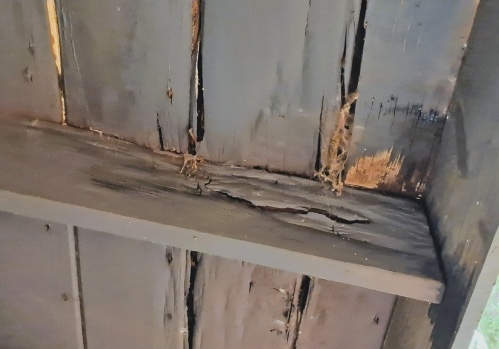
Fungi such as mold and mildew can degrade wood over time, leading to wood damage and structural weakness. Our thorough inspections identify fungal threats and help keep your home healthy and resilient.
Detect and prevent termites and other pest infestations before they cause costly damage. We deliver fast, reliable, and comprehensive wood-destroying organism (WDO) inspections so you can protect your investment.

Certified, licensed, and insured professionals you can rely on for accurate WDO inspections.
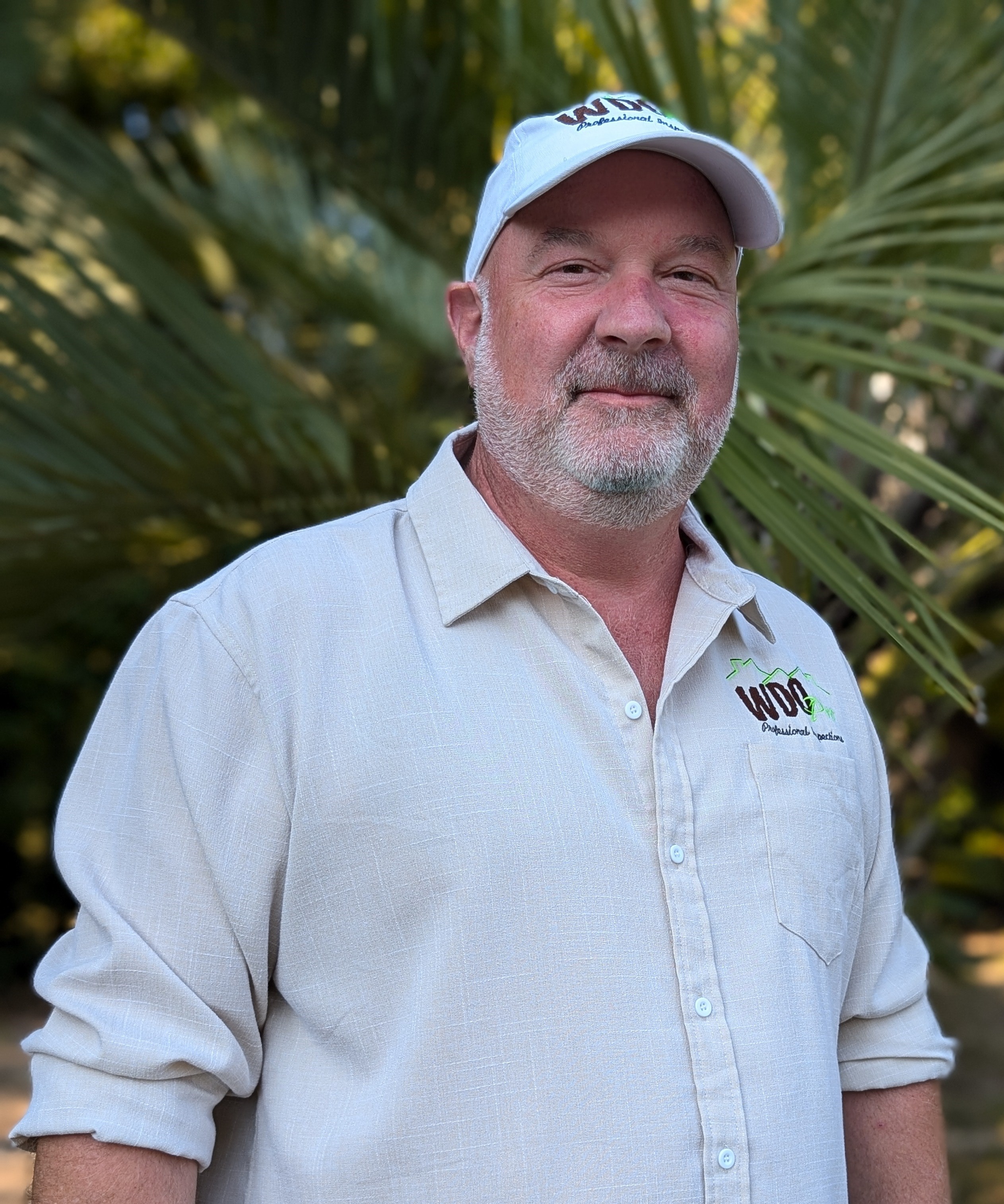
At WDO Pro, our team is certified, licensed, and insured so you can rely on us for an accurate, professional wood-destroying organism (WDO) inspection. We have been in the industry for almost 20 years. If wood-destroying organisms are present in your current or future home, we will make sure you have the knowledge you need to take the next steps.
We are BBB accredited with an A rating.
A comprehensive assessment covering fungus, insects, moisture damage, and hard-to-reach crawlspaces.
Fungi such as mold and mildew can degrade wood over time, leading to wood damage and structural weakness. Our thorough inspections identify fungal threats and help keep your home healthy and resilient.
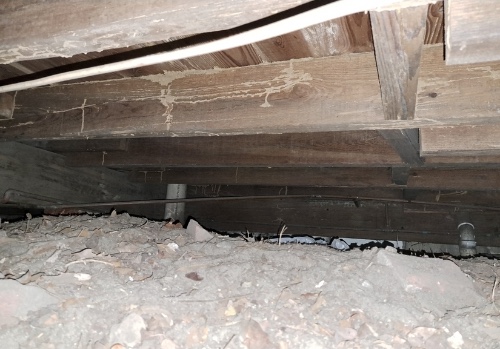
Termites, carpenter ants, wood-boring beetles, and powderpost beetles can silently wreak havoc on your home’s structure. We identify these pests early to prevent extensive damage and costly repairs.
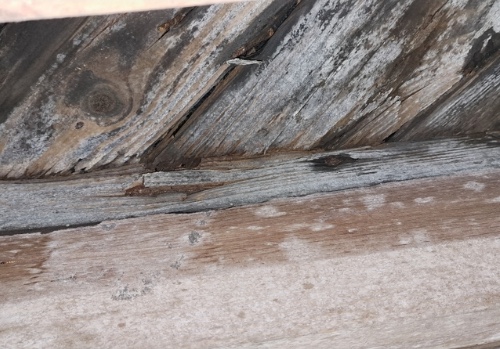
Moisture damage and wood rot compromise the strength and safety of your home. We identify signs of rot and underlying moisture issues — critical because ongoing moisture attracts wood-destroying insects.
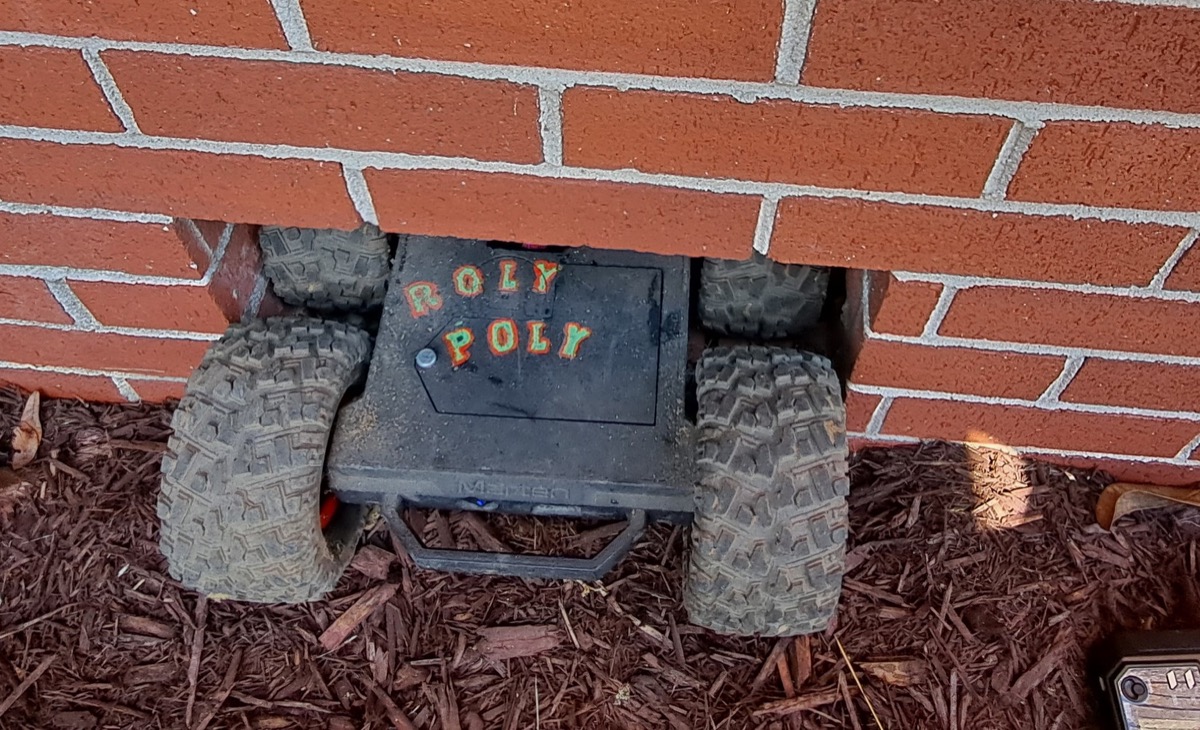
Crawlspaces are often too low or difficult to access. Our advanced crawlbot goes where other inspectors can’t or won’t, finding moisture buildup, pest infestations, and other hidden issues.
Common questions about WDO inspections, reports, and wood-destroying organisms.
A WDO inspection, or wood-destroying organism inspection, is conducted in accordance with Florida regulations to detect the presence of wood-destroying organisms such as termites, wood-decay fungi, and wood-boring beetles.
A WDO report includes a detailed assessment of the property for evidence of wood-destroying organisms and a summary of the findings. It also includes recommendations for treatment or repairs when necessary.
Subterranean termites are wood-destroying insects that live in the soil and feed on wood and other cellulose materials. They are the most destructive termite species in the United States, causing billions of dollars in damage to structures each year.
Termite damage is often difficult to spot because the insects live and feed inside the wood they consume. Common signs include buckling wood, hollow-sounding wood when tapped, small pinholes, and discarded wings near windows or doors.
Brown-rot fungi cause wood to become dry and brittle, with fibers that break apart. White-rot fungi cause wood to become soft and spongy, with fibers that remain intact.
Wood-decay fungi thrive in moist conditions and need adequate food sources to survive. Ideal moisture levels typically range from 20% to 40%, with cellulose and lignin as primary food sources.
Wood-boring beetles are small insects that feed on and damage wood. They can cause extensive damage to homes and other wooden structures and can significantly reduce a building’s structural integrity.
Wood-boring beetles can cause severe structural damage as well as cosmetic damage to furniture and other wooden items. Holes in wood can weaken the overall structure and lead to further damage if left untreated.
Regularly inspect your home for signs of infestation. Preventive maintenance—such as sealing cracks and crevices and keeping your home dry and well ventilated—can help prevent an infestation.
Escambia, Santa Rosa, and Okaloosa Counties — and everything in between.
Northwest Florida and the Emerald Coast
Submit the form below and we’ll follow up to confirm your booking.
Start with your contact details and the inspection address. Expand the optional sections only if they apply.